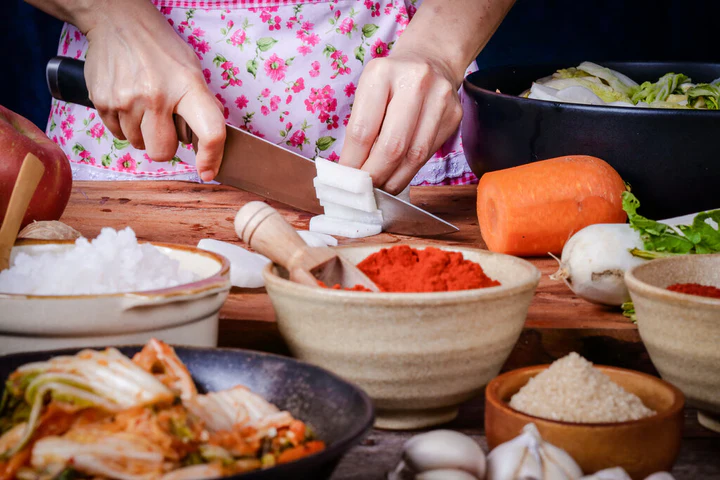
Stepping into the kitchen for the first time can feel overwhelming. Pots clanging, recipes with dozens of ingredients, and confusing cooking terms—it’s easy to feel lost. I remember my first attempt at cooking scrambled eggs; I ended up with burnt edges and runny centers. It wasn’t pretty, but it taught me one important lesson: everyone starts somewhere, and learning to cook is easier than you think.
Whether you want to save money, eat healthier, or impress your friends, mastering the basics is the key. In this guide, I’ll walk you through essential beginner cooking skills, practical tips, and simple recipes so you can confidently start cooking at home.
Why Learning Basic Cooking Skills Matters
Cooking at home has many benefits:
-
Saves Money: Homemade meals are usually cheaper than takeout or dining out.
-
Healthier Eating: You control ingredients, portions, and cooking methods.
-
Confidence Boost: Cooking is a life skill that gives independence and pride.
-
Creativity: Experimenting with flavors is fun and satisfying.
Starting with the basics helps you build skills gradually and prevents feeling overwhelmed.
Essential Cooking Tools for Beginners
You don’t need a fully stocked kitchen to get started. Here’s what I recommend:
-
Pots and Pans: One medium saucepan, one non-stick skillet, and a small pot.
-
Knives: A chef’s knife and a paring knife. Sharp knives are safer than dull ones.
-
Cutting Board: Preferably a separate one for vegetables and meat.
-
Measuring Cups and Spoons: Accuracy helps with consistent results.
-
Mixing Bowls: At least one large and one small.
-
Basic Utensils: Spoon, spatula, whisk, tongs.
-
Baking Sheet: For roasting vegetables or making easy oven dishes.
Optional, but useful: blender, slow cooker, or food processor.
Beginner Cooking Techniques Everyone Should Know
These skills are the foundation of most recipes:
1. Boiling and Simmering
-
Boiling: Water bubbles vigorously. Great for pasta, rice, or potatoes.
-
Simmering: Gentle bubbling, ideal for soups, sauces, and stews.
Tip: Keep the lid on for boiling pasta, but remove it for simmering sauces to avoid over-thickening.
2. Sautéing
-
Cooking food quickly in a small amount of oil over medium-high heat.
-
Perfect for vegetables, chicken, or shrimp.
Tip: Don’t overcrowd the pan; cook in batches if needed.
3. Baking
-
Oven cooking is essential for breads, cakes, and roasted dishes.
-
Follow temperature and timing instructions carefully.
Tip: Preheat the oven before cooking.
4. Frying
-
Deep frying or pan frying gives a crispy texture.
-
Use enough oil to cover the food partially or fully, depending on the method.
Tip: Heat oil to the correct temperature and avoid overcrowding to prevent sogginess.
5. Roasting
-
Uses dry heat in the oven to bring out flavor.
-
Works well for vegetables, meats, and poultry.
Tip: Toss vegetables in oil and seasonings for better flavor and even cooking.
Basic Ingredients Every Beginner Should Have
Stocking a few essential ingredients makes cooking easier:
-
Spices & Herbs: Salt, black pepper, paprika, garlic powder, dried oregano.
-
Oils: Olive oil, vegetable oil.
-
Staples: Rice, pasta, flour, sugar.
-
Canned Goods: Beans, tomatoes, broth.
-
Fresh Produce: Onions, garlic, carrots, bell peppers.
-
Proteins: Eggs, chicken, tofu, or fish.
With these items, you can create dozens of simple meals.
Simple Recipes for Beginners
Here are a few easy recipes to practice your skills:
1. Scrambled Eggs
-
Crack 2–3 eggs into a bowl and whisk with salt and pepper.
-
Heat a non-stick pan with a little oil or butter.
-
Pour in the eggs and stir gently until cooked but still soft.
Tip: Remove from heat slightly before fully cooked; eggs continue cooking from residual heat.
2. Garlic Sautéed Vegetables
-
Chop vegetables like zucchini, bell peppers, or broccoli.
-
Heat 1–2 tablespoons of olive oil in a skillet.
-
Add minced garlic, sauté for 30 seconds, then add vegetables.
-
Cook until tender but still vibrant. Season with salt and pepper.
3. Simple Pasta with Tomato Sauce
-
Boil pasta according to package instructions.
-
In a separate pan, heat olive oil, add chopped garlic and canned tomatoes.
-
Simmer for 10 minutes, season with salt, pepper, and herbs.
-
Toss pasta with sauce and serve with a sprinkle of cheese.
4. Oven-Roasted Chicken
-
Preheat oven to 200°C (400°F).
-
Season chicken pieces with salt, pepper, and paprika.
-
Place on a baking sheet and roast for 25–30 minutes until golden and cooked through.
Practical Tips for Beginner Cooks
-
Read the Recipe First: Understand the steps and prep ingredients before starting.
-
Prep Ingredients Ahead: Chop, measure, and organize before cooking.
-
Clean as You Go: Keeps your workspace organized and prevents clutter.
-
Taste While Cooking: Adjust seasoning gradually.
-
Start Simple: Don’t attempt complicated recipes until you master basic techniques.
Common Mistakes to Avoid
-
Overcooking or Undercooking: Pay attention to times and temperatures.
-
Overcrowding the Pan: Food won’t cook evenly.
-
Not Using Fresh Ingredients: Fresh vegetables and herbs make a huge difference.
-
Skipping Seasoning: Taste and adjust; bland food is less enjoyable.
-
Rushing the Process: Cooking takes patience; follow steps carefully.
Real-Life Example: My First Successful Meal
The first meal I made confidently was a simple garlic pasta with sautéed vegetables. I followed the steps slowly, tasted as I cooked, and adjusted seasoning. The dish turned out delicious, and it gave me confidence to try more recipes.
That experience taught me that mastering beginner cooking basics is about practice, patience, and simple techniques.
FAQs for Beginner Cooking
1. How do I know if I’m ready to cook more complex meals?
Once you feel comfortable with boiling, sautéing, and basic baking, you can try new recipes step by step.
2. Do I need special tools to start cooking?
No. Basic knives, a saucepan, skillet, cutting board, and measuring cups are enough for beginners.
3. How can I make my meals taste better?
Season gradually, use fresh ingredients, and don’t forget herbs and spices.
4. How long does it take to become confident in cooking?
With consistent practice, most beginners see improvement in 1–2 months.
5. Can I cook healthy meals easily as a beginner?
Yes. Focus on fresh vegetables, lean proteins, simple cooking methods (steaming, sautéing, roasting), and minimal processed ingredients.
Conclusion: Start Your Cooking Journey Today
Cooking may seem intimidating at first, but mastering the basics is entirely achievable. By understanding simple techniques, stocking essential ingredients, and starting with easy recipes, you can gain confidence in the kitchen.
Remember: mistakes are part of learning. Each meal you cook improves your skills and taste. Start small, stay patient, and enjoy the process. With practice, you’ll be able to cook delicious meals at home that save money, impress friends, and bring joy to your everyday life.