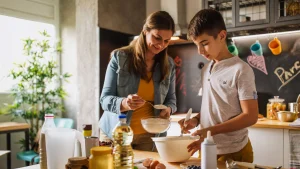
When I first started cooking, I felt overwhelmed by recipes, ingredients, and kitchen tools. I didn’t know where to start, and even simple dishes seemed complicated. But I quickly realized that cooking doesn’t have to be intimidating—it’s about understanding the basics, practicing essential techniques, and gradually building confidence.
This guide is designed for beginners who want to cook confidently, enjoy healthy meals, and develop foundational skills that last a lifetime. I’ll share step-by-step instructions, practical tips, and insights based on my personal experience. By the end of this guide, you’ll know how to handle ingredients, use kitchen tools safely, and prepare a variety of simple and delicious meals.
Why Cooking Basics Matter
Understanding the fundamentals of cooking is important because:
- Saves time and money – Home-cooked meals are cheaper than eating out.
- Boosts health – You control ingredients and portion sizes.
- Reduces stress – Knowing the basics makes cooking less intimidating.
- Builds confidence – Skills learned today make advanced recipes easier tomorrow.
- Encourages creativity – Once you master the basics, you can experiment with flavors and techniques.
Essential Kitchen Tools for Beginners
Before cooking, having the right tools makes the process smoother. Here are the essentials I recommend:
1. Knives
- Chef’s knife: versatile for chopping vegetables, meat, and herbs.
- Paring knife: ideal for peeling and small tasks.
Tip: Keep knives sharp; dull knives are more dangerous.
2. Cutting Boards
- Separate boards for vegetables and meat to avoid cross-contamination.
- Use wooden or plastic boards depending on preference.
3. Pots and Pans
- Non-stick skillet: perfect for beginners and easy cleanup.
- Saucepan: ideal for sauces, soups, and grains.
- Stockpot: for large quantities or soups.
4. Measuring Tools
- Measuring cups and spoons for accurate recipes.
- Kitchen scale for precise baking.
5. Other Essentials
- Mixing bowls, spatulas, whisk, tongs, and colander.
- Oven mitts for safety.
- Timer for tracking cooking times.
Experience Tip: I keep all beginner-friendly tools on a dedicated shelf to reduce stress when cooking.
Essential Ingredients to Keep on Hand
Having basic ingredients ensures you can cook almost anything:
- Pantry staples: salt, pepper, sugar, flour, rice, pasta, canned beans, oils (vegetable and olive).
- Herbs & spices: garlic, onion, paprika, oregano, basil, chili powder.
- Protein: eggs, chicken, fish, tofu, or legumes.
- Vegetables: onion, carrots, potatoes, bell peppers, greens.
- Dairy: milk, butter, cheese, yogurt.
Tip: Buying versatile ingredients reduces trips to the store and encourages experimentation.
Cooking Techniques Every Beginner Should Learn
1. Boiling
- Use for pasta, rice, potatoes, and vegetables.
- Tip: Salt water before boiling for better flavor.
2. Sautéing
- Cook food quickly in a small amount of oil over medium-high heat.
- Tip: Avoid overcrowding the pan to prevent steaming instead of browning.
3. Baking
- Ideal for bread, pastries, and casseroles.
- Tip: Preheat the oven to ensure even cooking.
4. Roasting
- Works for vegetables, meats, and potatoes.
- Tip: Toss vegetables with oil, salt, and pepper for best results.
5. Frying
- Deep-frying or shallow frying for crispy textures.
- Tip: Use a thermometer to maintain consistent oil temperature.
6. Steaming
- Preserves nutrients in vegetables and fish.
- Tip: Don’t overcook; steam until tender but still vibrant.
Step-by-Step Guide to Basic Cooking Tasks
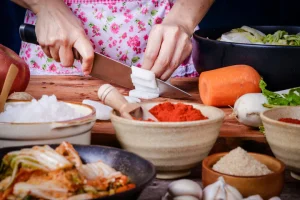
1. Chopping Vegetables
- Wash, peel, and cut evenly to ensure even cooking.
- Keep fingertips tucked to avoid cuts.
2. Cooking Rice
- Rinse rice to remove excess starch.
- Use a 1:2 ratio of rice to water.
- Simmer on low heat until water is absorbed, then rest covered for 10 minutes.
3. Cooking Pasta
- Boil in salted water.
- Stir occasionally to prevent sticking.
- Taste test for “al dente” doneness.
4. Cooking Eggs
- Boiled: soft or hard, depending on timing (6-10 minutes).
- Scrambled: cook low to medium, stir gently, add milk for creaminess.
- Fried: medium heat, flip once for over-easy or cook through for well-done.
Beginner-Friendly Recipes
1. Vegetable Stir-Fry
Ingredients: bell peppers, carrots, onion, garlic, soy sauce, oil.
Steps:
- Heat oil in a pan.
- Add garlic and sauté until fragrant.
- Add vegetables and stir-fry for 5-7 minutes.
- Add soy sauce, stir, and serve hot.
2. Simple Pasta with Tomato Sauce
Ingredients: pasta, canned tomatoes, garlic, olive oil, basil, salt, pepper.
Steps:
- Boil pasta according to package instructions.
- Sauté garlic in olive oil, add tomatoes, simmer 10 minutes.
- Season with salt, pepper, and basil.
- Toss pasta with sauce and serve.
3. Easy Chicken or Tofu Stir-Fry
Ingredients: chicken/tofu, soy sauce, garlic, vegetables, oil.
Steps:
- Cut protein into bite-size pieces.
- Sauté garlic, add protein, cook until golden.
- Add vegetables and stir-fry.
- Season with soy sauce and serve.
Common Mistakes Beginners Make
- Overcooking or undercooking ingredients.
- Not reading the recipe fully before starting.
- Overcrowding pans.
- Using the wrong heat level.
- Neglecting seasoning.
Tip: Mistakes are part of learning; tasting along the way helps prevent disasters.
Time-Saving Tips for Beginners
- Prep ingredients before cooking – Wash, chop, and measure everything first.
- Cook in batches – Prepare multiple meals at once.
- Use kitchen gadgets – Slow cookers, microwaves, or food processors save time.
- Clean as you go – Reduces post-cooking mess.
Safety Tips
- Always wash hands before and after handling raw meat.
- Keep knives sharp and store safely.
- Use oven mitts for hot pots and pans.
- Avoid leaving cooking unattended.
- Store food properly to prevent spoilage.
How to Build Confidence in Cooking
- Start with simple recipes.
- Repeat basic techniques until comfortable.
- Gradually try new ingredients or methods.
- Keep a small notebook with your own tips and recipes.
- Invite friends or family for feedback—it builds confidence and makes cooking fun.
Experience Insight: I kept a “beginner cooking journal” noting what worked and what didn’t. After a few weeks, I felt confident tackling more complex dishes.
Conclusion
Cooking as a beginner may feel daunting at first, but by learning the basics, using essential tools, and practicing simple techniques, anyone can become a confident cook. From boiling rice and sautéing vegetables to preparing simple stir-fries and pasta dishes, these foundational skills make daily cooking manageable and enjoyable.
Remember, mistakes are part of the journey, and every attempt teaches something new. Start small, practice consistently, and soon you’ll find that cooking is not just a necessity—it’s a creative, satisfying, and even fun activity.